
A China Knowledge-Product Surface Map: Give Each Asset One Job
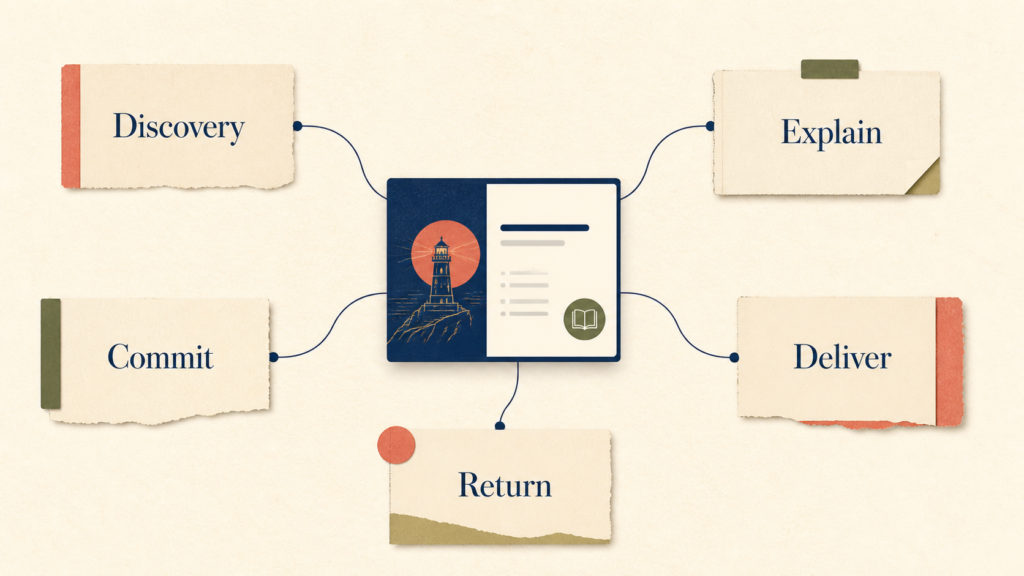
Before copying a course asset across China-facing channels, assign it one job: discovery, explanation, commitment, delivery or retention.
Before copying a course asset across China-facing channels, assign it one job: discovery, explanation, commitment, delivery or retention.

Zhihu’s question search and paid-column card flows describe different content objects. Use public answers to clarify a problem, not to promise a funnel.
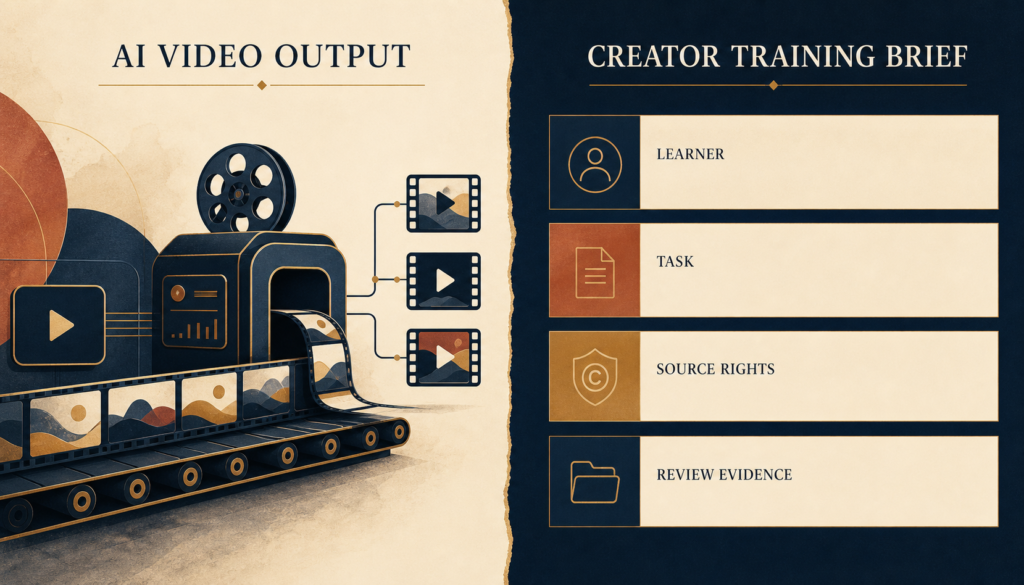
Industry reports can show rising AI video production. They cannot tell an overseas expert what creators need to learn, buy or publish.
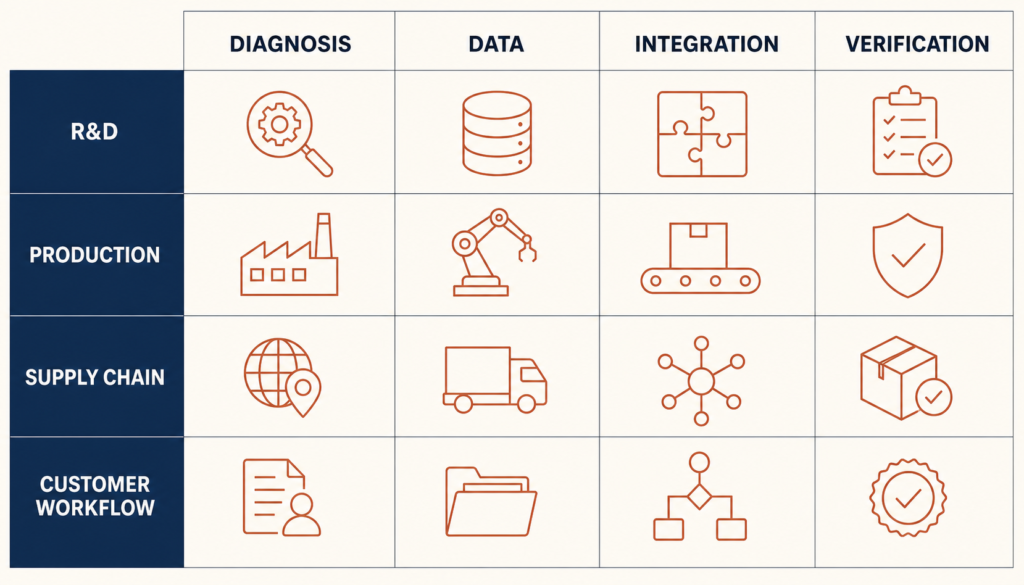
China’s SME digital-transformation pilot guidance points to business workstreams and diagnosis—not a generic list of AI tools or courses.
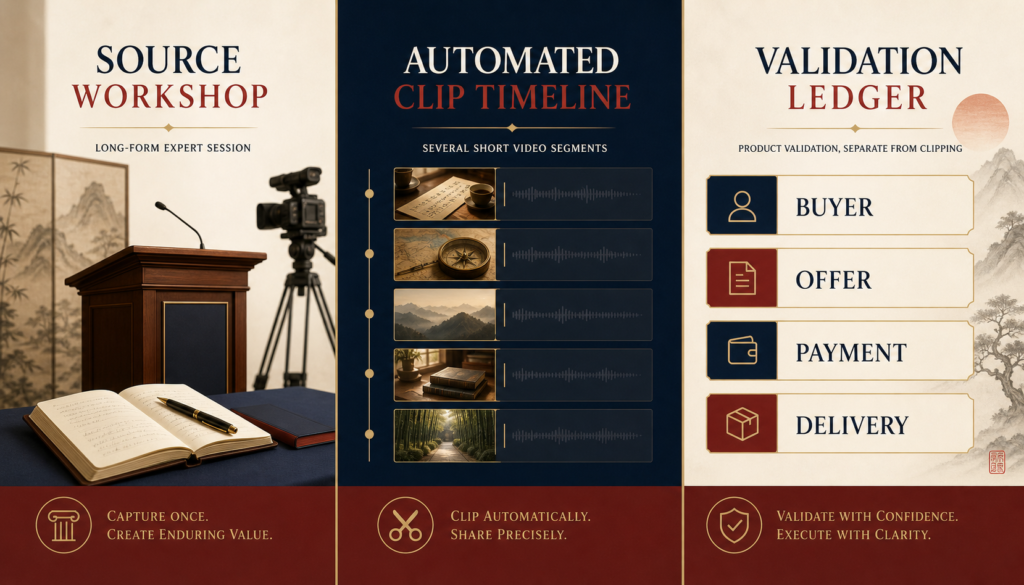
Turning a workshop into Chinese video clips tests production and expression, not course demand, pricing, delivery or buyer willingness.

A video summary can shorten viewing, but it cannot establish public claims, permission or a creator brief. Separate processing output from approved evidence.
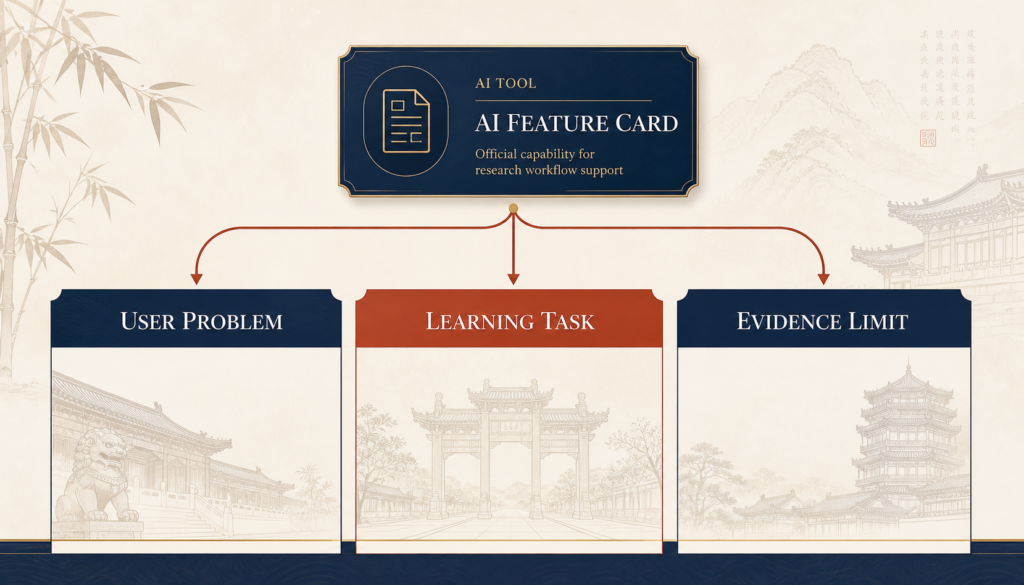
Use Chinese AI tool documentation as a capability observation, not a content conclusion. Connect features to a user problem and a testable learning task.

Turn Chinese community observations into a traceable brief with source context, visible facts, limits, hypotheses and prohibited claims.

Build a China creator brief around claims, evidence, audience problems and limits before deliverables. It is not a sales promise.

Build a China AI tools radar around source dates, changed work units, evidence limits and review triggers—not a fast-moving list of launches.