
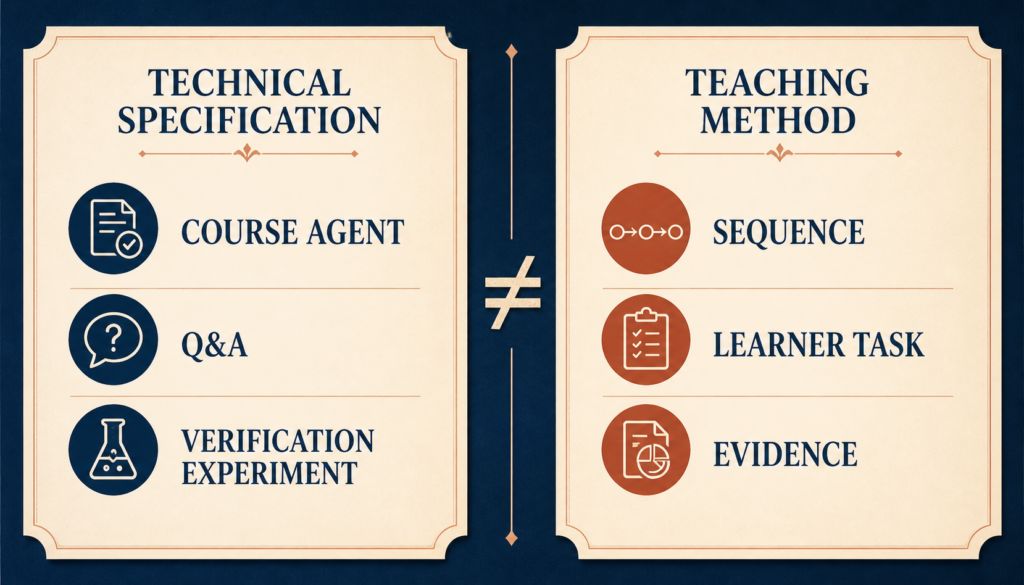
An AI Course Specification Is Not a Teaching Method
Public AI education specifications reveal requested assets and functions. They do not automatically define pedagogy, learner outcomes or overseas course fit.
Public AI education specifications reveal requested assets and functions. They do not automatically define pedagogy, learner outcomes or overseas course fit.
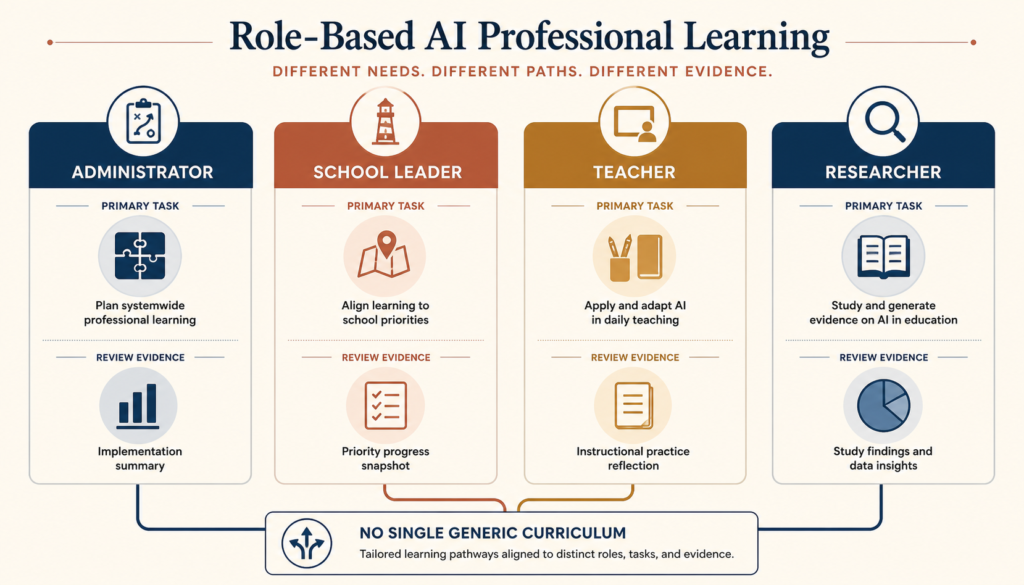
Chinese teacher-development policy separates roles and capability levels. For overseas experts, that is a scoping signal—not proof of one universal course demand.

Keep an invoice request, payment status and course delivery evidence separate when an enterprise buyer asks for documents in China.
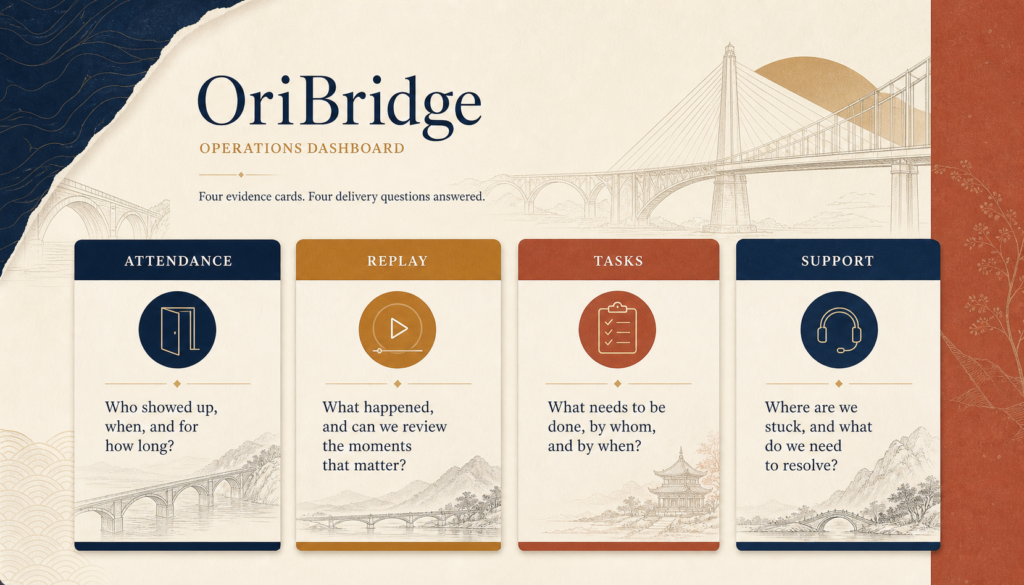
Separate attendance, replay access, task completion and support incidents when documenting a China-facing course delivery.
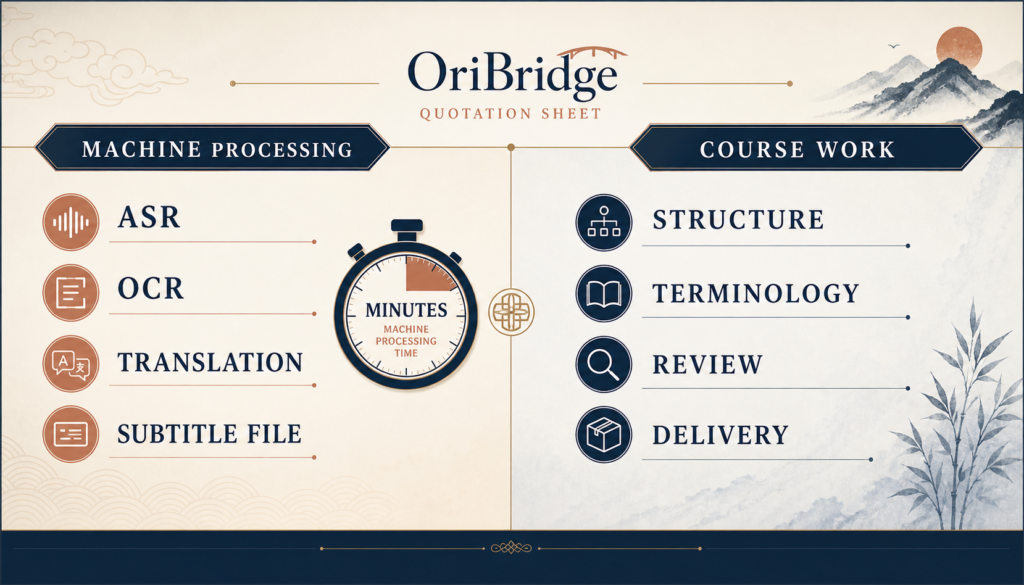
A per-minute caption charge prices one processing unit. Course localization may also require structure, terminology, review, delivery and rights decisions.

Separate a China AI tools briefing from implementation: sources and limits are one deliverable; workflows, access, tests and support require another.
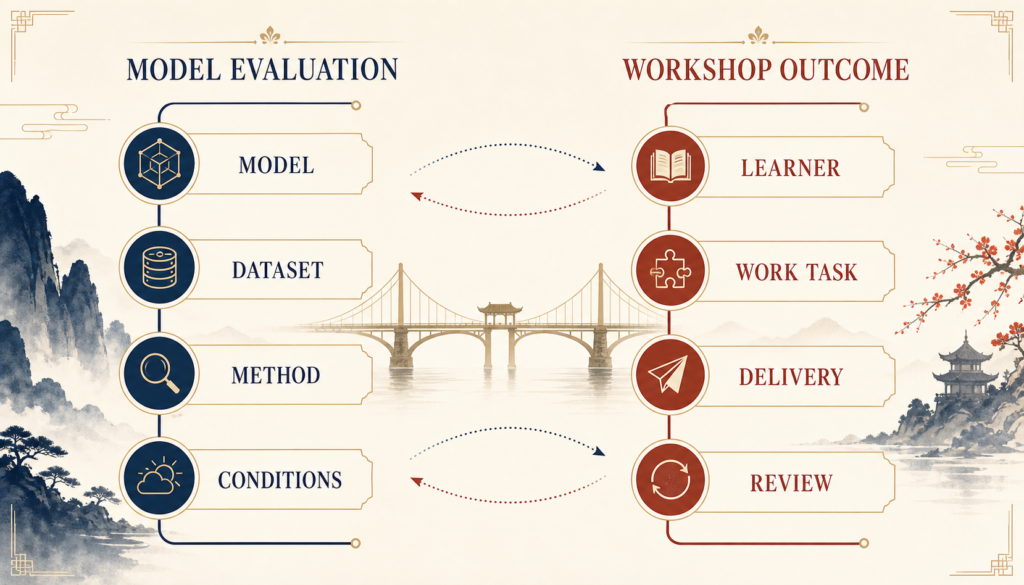
A model score describes a specified evaluation setup. A workshop outcome requires a separate learner, work, delivery and review definition.

Use RAG output as a traceable research input, not a China demand conclusion. Separate retrieved evidence, model synthesis and the next validation question.

When a China workshop also needs onboarding, support, records or reporting, make the operating layer explicit before naming a price.

A workshop seat price should not quietly promise AI tool access, deployment, credentials, or unlimited support. Use a five-line price card before testing an AI workshop in China.